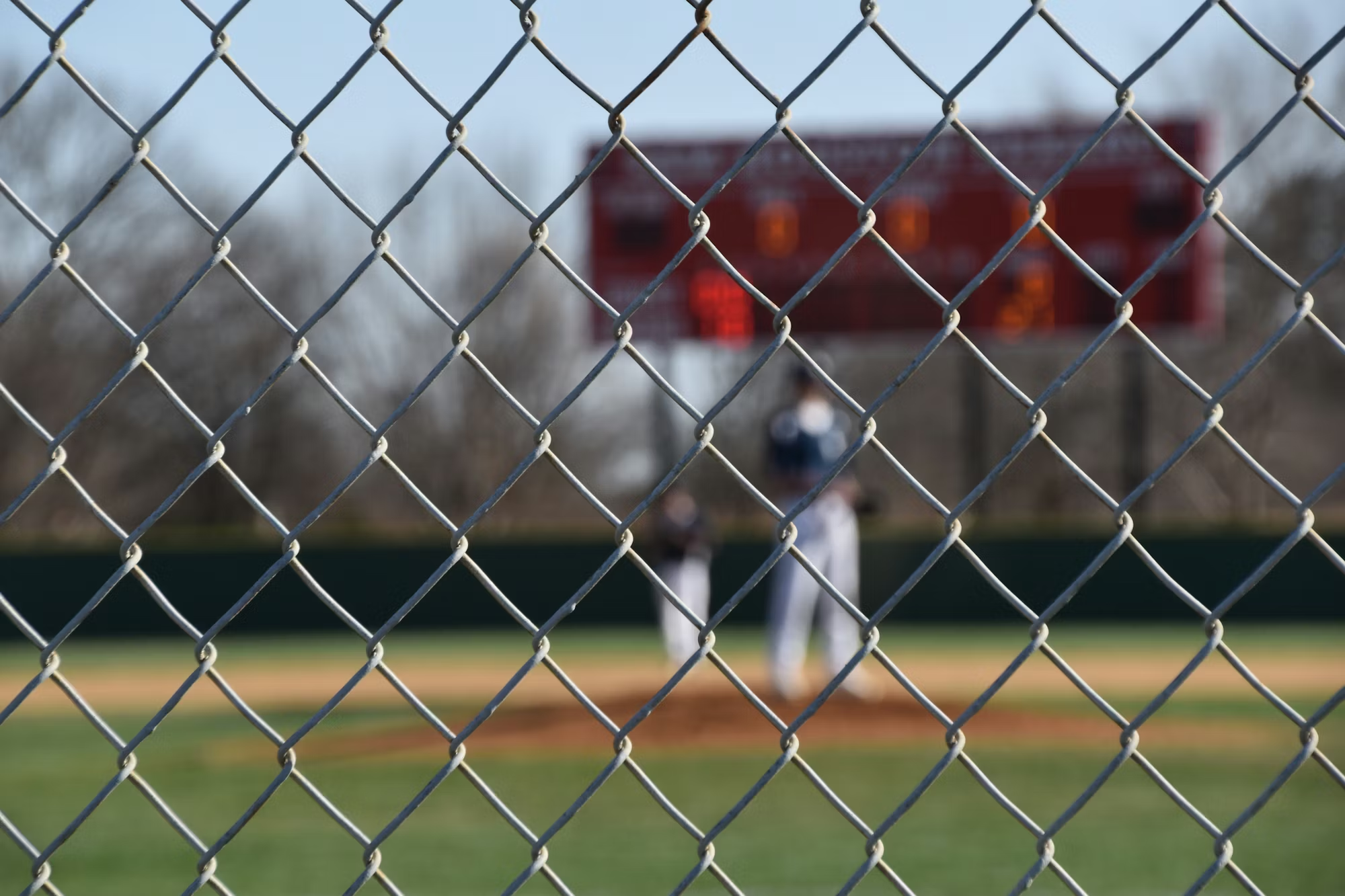
Baseball, often hailed as America’s pastime, is more than just a sport; it is a cultural phenomenon that reflects the values, history, and diversity of the nation. From its origins in the 19th century to its status as a global sport today, baseball has woven itself into the fabric of American life. This article delves into the cultural significance of baseball, exploring its role in shaping communities, fostering traditions, and uniting fans across generations.
Historical Roots and Evolution
The history of baseball is rich and layered, with roots tracing back to early bat-and-ball games played in England. The modern version of the sport began to take shape in the United States during the mid-1800s. The establishment of organized leagues, including the National League in 1876, marked a pivotal moment in the sport’s development. As baseball gained popularity, it became intertwined with the American identity, symbolizing freedom, competition, and teamwork.
Throughout its history, baseball has reflected societal changes and cultural movements. During the early 20th century, it played a crucial role in breaking down racial barriers. The integration of Major League Baseball (MLB) in the 1940s, led by pioneers such as Jackie Robinson, not only transformed the sport but also marked significant progress in the fight for civil rights. Robinson’s courage and talent opened doors for countless players of color and reshaped the landscape of American sports.
Community Bonds and Local Identity
Baseball’s impact extends beyond the professional level; it serves as a vital thread in the tapestry of local communities. From Little League teams to high school championships, baseball provides a platform for youth engagement, fostering teamwork, discipline, and sportsmanship. These grassroots programs instill a sense of belonging and pride among participants, creating lifelong memories for players and families alike.
Minor League Baseball (MiLB) also plays an essential role in cultivating local identities. Many cities boast their own teams, which serve as a source of pride and community spirit. Games become social events where families gather, and traditions are formed. Whether it’s enjoying a hot dog at the ballpark or participating in theme nights, these experiences strengthen community ties and create lasting bonds among fans.
Traditions and Rituals
Baseball is steeped in traditions that enhance the experience for players and fans. From the seventh-inning stretch to the singing of the national anthem, these rituals create a sense of continuity and nostalgia. The seventh-inning stretch, for example, allows fans to stand, stretch, and often sing “Take Me Out to the Ball Game,” reinforcing a shared connection to the sport.
Each ballpark also boasts unique traditions that reflect the local culture. Fenway Park’s Green Monster, Wrigley Field’s ivy-covered walls, and the rally monkey in Anaheim each tell a story about the communities they represent. These idiosyncrasies contribute to the charm and allure of attending a live game, making each experience distinct.
Additionally, the connection between baseball and American holidays cannot be overlooked. The Fourth of July, Memorial Day, and Labor Day often feature baseball games as part of the celebrations. Fireworks displays, special promotions, and themed events create a festive atmosphere that ties the sport to national pride and community spirit.
Baseball as a Reflection of Society
As a cultural touchstone, baseball reflects broader societal themes, including gender, race, and economics. The increasing visibility of female athletes in baseball, highlighted by leagues such as the All-American Girls Professional Baseball League in the 1940s and the growing number of women involved in the sport today, showcases a shift towards inclusivity and equality.
Furthermore, baseball’s connection to economic trends is evident through the rise and fall of franchises, the impact of player salaries, and the influence of media rights. Teams often embody the hopes and aspirations of their communities, making their success or failure a source of collective emotion. This connection underscores the importance of baseball as a microcosm of American society, capturing the struggles and triumphs experienced by its fans.
Global Reach and Cultural Exchange
In recent decades, baseball’s influence has transcended borders, becoming a global sport. Countries like Japan, Cuba, and the Dominican Republic have produced legendary players who have made significant contributions to MLB. This international exchange enriches the sport, bringing diverse styles, traditions, and perspectives to the game.
Events like the World Baseball Classic and MLB’s efforts to promote the game in various countries further highlight baseball’s global appeal. These initiatives foster goodwill and cultural understanding, as fans from different backgrounds come together to celebrate the sport they love. The exchange of ideas and styles between American baseball and its international counterparts enhances the game, creating a richer tapestry of play.
Conclusion: A Timeless Legacy
The cultural significance of baseball extends far beyond the diamond. It serves as a powerful medium for community bonding, a reflection of societal values, and a celebration of diversity. As America continues to evolve, so too does baseball, adapting to the changing landscape while remaining a cherished tradition. The sport’s ability to unite people across generations and backgrounds ensures that it will continue to hold a special place in the hearts of fans for years to come. Ultimately, baseball is not just a game; it is a symbol of hope, resilience, and the enduring spirit of community.